

Generational Wealth for Empty Nesters: 10 Ultimate Legacy Secrets
Introduction: Moving from Accumulation to Distribution
In the first half of your career, your financial system was in Write Mode. You were accumulating assets, building your “Core Database,” and protecting your “Liquidity.” Now that you have entered Phase 2.0, your system must move into Read/Write Mode.
Building generational wealth for empty nesters is not a one-time event (like a “System Export”); it is a continuous process of education, documentation, and strategic allocation. If you transfer your wealth without transferring your Financial Logic, you risk a “System Crash” in the next generation. Your goal is to ensure that your hard-earned resources act as a “Force Multiplier” for your children, not a “Resource Drain” that removes their motivation.
-
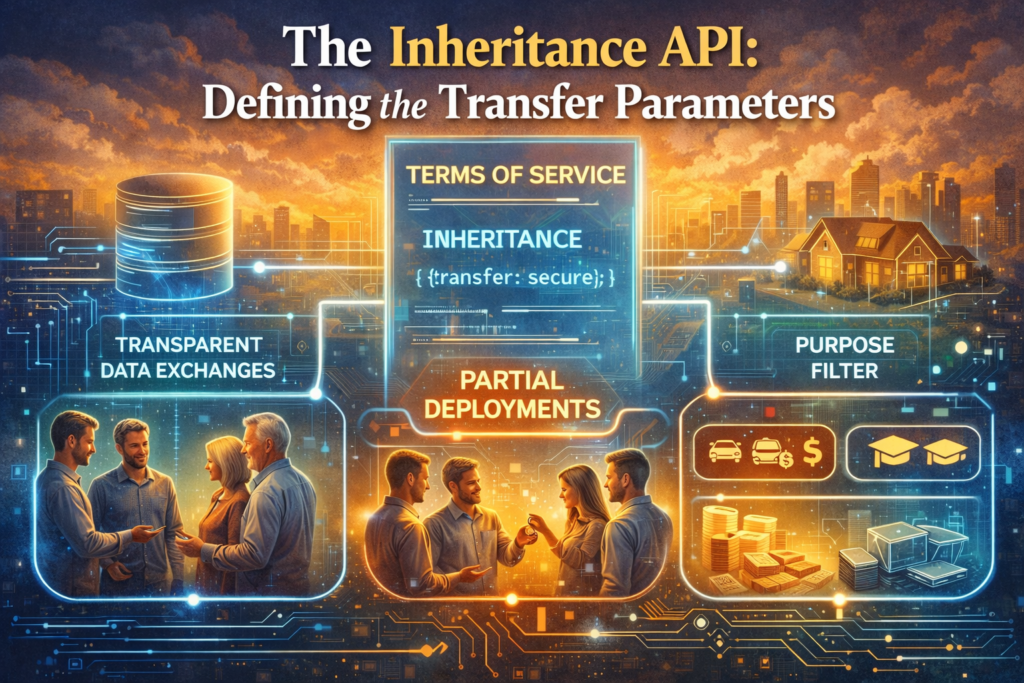
The Inheritance API: Defining the Transfer Parameters
Most parents treat inheritance as a “Hidden Script” that only runs after the “System Shutdown” (death). This is a legacy error. Modern generational wealth for empty nesters requires a transparent API.
Defining the “Terms of Service”
- The Communication Layer: Start having “Transparent Data Exchanges” with your adult children. They don’t need to know the exact “Balance” yet, but they should understand the “Architecture.”
- Early Access (Living Inheritance): Consider “Partial Deployments.” Helping with a down payment on a home now can have a much higher ROI for your child’s life than a larger inheritance 30 years from now.
- The Purpose Filter: Are you giving money for “Consumption” (vacations/cars) or for “Investment” (education/real estate)? Use the Financial Sandbox rules we established in Post #7 to filter these requests.
-
Teaching Financial Logic: The “OS” for Your Wealth
If you give a powerful server to someone who doesn’t know how to code, they will crash it. Similarly, transferring generational wealth for empty nesters requires that your children have a compatible “Financial Operating System.”
The Literacy Protocol
- Logic over Assets: Teach them the how before the how much. Explain compound interest, tax optimization, and risk management.
- The “Beta Test” Method: Give them a small amount of capital to manage in their own “Sandbox.” Observe their “Resource Allocation.” Do they reinvest it, or do they spend it on “Non-Functional Requirements” (lifestyle inflation)?
- The Mentorship Thread: You are the “Senior Developer.” Your job is to provide the “Documentation” and the “Code Review” for their financial decisions.
-
Estate Architecture: Building the Legal Firewall
Without the correct legal “Encryption,” your wealth can be drained by “External Intruders” like high taxes, legal fees, or probate delays.
The Defensive Stack
- The Will (Core Script): Every empty nester needs a clean, updated Will. This is your “System Recovery Plan.”
- The Trust (Secure Partition): Explore setting up a Trust. This allows you to place “Constraints” on how money is used, protecting it from creditors or “Poor Decision Errors.”
- Power of Attorney: Define who has “Admin Access” to your medical and financial decisions if your “Core System” experiences a temporary outage.
-
Philanthropy as a “System Feature”
Generational wealth for empty nesters should include a “Public API”—a way to give back to the community.
The Impact Protocol
- Teaching Values: Philanthropy is the best way to teach your children that wealth is a tool for “Social Optimization.”
- Family Foundation: Consider a “Donor-Advised Fund” where you and your children decide together which “Open Source” causes to support. This builds a shared sense of purpose and “System Unity.”
-
The Tax Optimization Patch: Protecting Generational Wealth for Empty Nesters
In any data transfer, “Packet Loss” is a major risk. In the world of finance, that loss comes in the form of inheritance taxes, capital gains, and probate fees. If you don’t optimize your “Transfer Protocol,” a significant portion of your hard-earned assets will be “Dropped” during the migration to your heirs.

Implementing “Low-Loss” Transfers
Building generational wealth for empty nesters requires a strategic look at how assets are titled.
- Beneficiary Designations: Ensure your retirement accounts and insurance policies have updated beneficiaries. These assets usually bypass probate, meaning they transfer at “High Speed” with “Zero Latency.”
- Step-Up in Basis: Understand the “Capital Gains Script.” In many jurisdictions, assets like real estate or stocks get a “Step-up” in value when inherited, potentially saving your children thousands in future taxes.
- Gifting Strategies: Use the “Annual Exclusion” limits. Moving small packets of data (money) every year rather than one massive file at the end reduces the overall “Tax Load” on your estate.
-
The “Letter of Wishes”: Documenting Your Life Code
A Will is a legal script, but it lacks “Context.” It tells the system what to do, but it doesn’t explain why. To truly pass down generational wealth for empty nesters, you need a “Documentation Layer”—often called a Letter of Wishes.
Writing the “ReadMe.txt” for Your Life
Think of this as the comments in your code. It’s the human explanation for your financial decisions.
- The “Why” Behind the Allocation: If you left more to one child than another (perhaps because one has special needs or the other already received an “Early Deployment”), explain it here to prevent “Merge Conflicts” (family arguments).
- Your Investment Philosophy: Explain the Financial Logic you used to build this wealth. Was it through aggressive “Growth Scripts” or steady “Dividend Maintenance”?
- The Ethical API: What values do you want this money to support? Education? Entrepreneurship? Family stability? This gives your heirs a “Guidance System” for the resources they inherit.
-
Preventing “System Fragmentation”: The Sibling Protocol
One of the biggest “Bugs” in estate planning is when an inheritance causes a “Family System Crash.” Without firm generational wealth for empty nesters strategies, siblings often fight over “Shared Resources” like the family home or sentimental items.
The Fair vs. Equal Logic
In software, sometimes you allocate more RAM to the process that needs it most. In families, “Equal” isn’t always “Fair.”
- The Asset Audit: List your major assets. If you have a house and a stock portfolio of equal value, ask your children which “Module” they actually want. One might want the “Real Estate Peripheral,” while the other prefers the “Liquidity” of the stocks.
- The Mediation Layer: If you anticipate conflict, hire a “Third-Party Admin” (like a professional trustee or executor). This removes the emotional “Noise” from the transfer process.
- The “Buy-Sell” Script: If siblings inherit a house together, define a “Protocol” for one to buy out the other. This prevents a “Deadlock” where the asset is stuck in legal limbo for years.
- Integrating the Financial Sandbox into Your Legacy
We established the Financial Sandbox in Post #7. Now, we use it as a “Training Ground” for your heirs. You cannot expect them to manage generational wealth for empty nesters if they haven’t practiced with smaller “Data Sets.”
The “Test Environment” Strategy
- The Joint Account Method: Open a small investment account with your adult child. Let them make the “Execution Calls” while you provide the “Security Monitoring.”
- The Transparency Audit: Once a year, hold a “Family Board Meeting.” Review the performance of the family assets. This moves your children from “End Users” to “System Administrators” of the family wealth.
- Linking the Logic: Remind them that the goal isn’t “Unlimited Consumption” (as we discussed in the “Financial Boundaries” post), but “Sustainable Architecture.”
- Handling “Legacy Bloat”: Sentimental vs. Financial Value
Not all wealth is liquid. A significant part of generational wealth for empty nesters is found in physical objects—furniture, jewellery, and archives. If not managed, this becomes “Legacy Bloat” that slows down the heirs.
The De-Cluttering Script
- Identify “Core Assets”: Which items actually carry your family “Metadata” (history)? Keep those.
- The “Liquidation” Phase: Encourage your children to take what they truly value now. Anything else should be “Decommissioned” (sold or donated). This reduces the “Processing Load” on them after you are gone.
- The Digital Archive: Scan old photos and documents. Physical paper is a “Legacy Format” that is easily lost. Digital “Cloud Storage” is much more resilient for generational transfer.
- The Trust Architecture: Managing “Permissions” from Beyond
A simple Will is like a “One-Time Command.” Once it runs, you lose control over the output. For robust generational wealth for empty nesters, a Trust acts as a “Persistent Script.” It allows you to set “Conditional Logic” on how and when your assets are used.
Setting the “Access Levels”
- The “Spendthrift” Clause: If an heir has a history of “High-Volatility” spending (debt or addiction), you can restrict their access to interest-only payments. This is the ultimate “Security Firewall” for your legacy.
- Incentive-Based Distribution: You can program the trust to release “Packets” of money only when specific “Milestones” are met—such as graduating from university, starting a business, or reaching a certain age.
- The “Successor Trustee”: Choosing an executor is like picking a “System Admin.” If you don’t trust your heirs to handle the “Back-end Logic” yet, you can appoint a professional corporate trustee to manage the “Resource Allocation.”
- Debugging “Inheritance Guilt”: The Emotional System Update
Transferring generational wealth for empty nesters often triggers a “Guilt.exe” error in heirs. They may feel they haven’t “earned” the resources, leading to “System Paralysis” where they are afraid to touch or invest the money.
Normalizing the Transfer
- The Gift Logic: Remind your heirs that this wealth is a “Pre-funded Infrastructure.” Just as a city provides roads for its citizens to drive on, you are providing the “Capital Roads” for them to build their own lives.
- Open-Source Communication: Discussing the wealth before the transfer happens reduces the “Shock Loading” on their emotional system. When they understand the “Work History” behind the money, they respect the “Asset” more.
- The “Self-Actualization” Protocol: Encourage them to use the inheritance not for “Luxury Bloat,” but to buy back their time. This allows them to pursue “High-Value Missions” like creative arts, non-profit work, or specialized research.
- Advanced Philanthropy Nodes: The Community Impact API
Building generational wealth for empty nesters shouldn’t just be about “Internal System Optimization” (family). It should include “External Integration” (society). This is the “Social Responsibility Module” of your legacy.
Building the Family “Impact Fund”
- Donor-Advised Funds (DAF): This is a high-efficiency “Philanthropy Sandbox.” You contribute assets, get an immediate “Tax Patch” (deduction), and then you and your children decide which “Community Nodes” to fund over time.
- The Mission Statement: Write a “Social Code” for your family. What problems in the world do you want your legacy to solve? Whether it’s education in India, environmental protection, or tech literacy, having a “Shared Mission” prevents wealth from becoming a source of “Sibling Fragmentation.”
- Impact Investing: Instead of just donating, invest in “Social-Good Start-up’s.” This aligns your Financial Sandbox with your values, creating a “Double Bottom Line” (Profit + Purpose).
- The “Legacy Audit”: Yearly System Reviews
Just as you perform a “Code Review,” you must perform a “Legacy Audit” every year. The “Financial Environment” changes (tax laws, inflation), and your “Heir Status” changes (marriages, births, career shifts).

The Annual Sync Protocol
- Updating the “Metadata”: Check your beneficiary forms. If a grandchild was born, they need to be added to the “Distribution List.”
- The Risk Assessment: Is your “Security Stack” (insurance and trusts) still compatible with current laws? Laws regarding generational wealth for empty nesters are frequently updated; your “Code” must be patched accordingly.
- The “Values Check”: Sit down with your heirs. Ask them: “Is the current roadmap still working for you?” This ensures the “User Experience” of your legacy remains positive.
- Digital Inheritance: The “Virtual Layer” of Generational Wealth for Empty Nesters
In the modern era, generational wealth for empty nesters isn’t just stored in physical vaults or bank accounts. It exists in the “Cloud.” From cryptocurrency and domain names to your very own blog and social media archives, your “Digital Estate” is a significant part of your legacy. If you don’t provide the “Access Keys,” these assets will be locked forever in a “Null State.”
Creating the “Digital Master Key”
- Password Management: Use a “Primary Admin” tool like 1Password or Bitwarden. Ensure your “Successor Heirs” have the “Emergency Access” key. This is the only way they can bypass 2FA (Two-Factor Authentication) once your primary device is offline.
- Cryptocurrency & Private Keys: If you hold digital currency, do not leave it on an exchange. Use a “Hardware Wallet” and ensure the “Seed Phrase” is stored in your physical Estate Architecture (like a safe deposit box).
- The “Social Media” Clause: Most platforms now have a “Legacy Contact” feature. Set this up today so your family can manage your “Public Profile” and archives without needing to hack into your accounts.
- The Return on Legacy: Measuring Non-Financial ROI
The ultimate goal of building generational wealth for empty nesters isn’t just to see a number grow in a ledger. It is about the “Human ROI”—the stability, education, and freedom it provides your descendants.
The “Intangible Asset” Audit
- Time as Currency: The greatest gift your wealth provides is “Time.” It allows your children to choose careers based on “Passion Logic” rather than “Survival Logic.”
- Systemic Stability: Wealth acts as a “Shock Absorber.” It ensures that a medical emergency or a job loss doesn’t crash your children’s “Internal System.”
- The “Wisdom Transfer”: As a Computer Operator, you know that hardware is useless without software. Your wisdom is the software. The time you spend teaching them Financial Logic is the most valuable “Data Packet” you will ever send.
- The Final “System Integration”: Your Legacy Checklist
To ensure your generational wealth for empty nesters strategy is ready for “Production,” perform this final system check:
- Is the Will “Hard-Coded”? (Legal, notarized, and current).
- Is the “Documentation Layer” attached? (Letter of Wishes).
- Is the “Security Firewall” active? (Trusts and Insurance).
- Is the “Access Key” accessible? (Password and Digital Asset plan).
- Is the “User Base” trained? (Family meetings and financial literacy).
Conclusion: The Ultimate Deployment
You have spent your life as a developer of your family’s future. By focusing on generational wealth for empty nesters, you are ensuring that the “System” you built continues to run long after you have logged off.
This isn’t about control; it’s about Empowerment. You are providing the “Framework,” the “Security,” and the “Funding” for the next generation to build their own “Version 3.0.”
- The Logic is sound.
- The Assets are secured.
- The Legacy is live.
It is time to Initialize the Transfer.
